
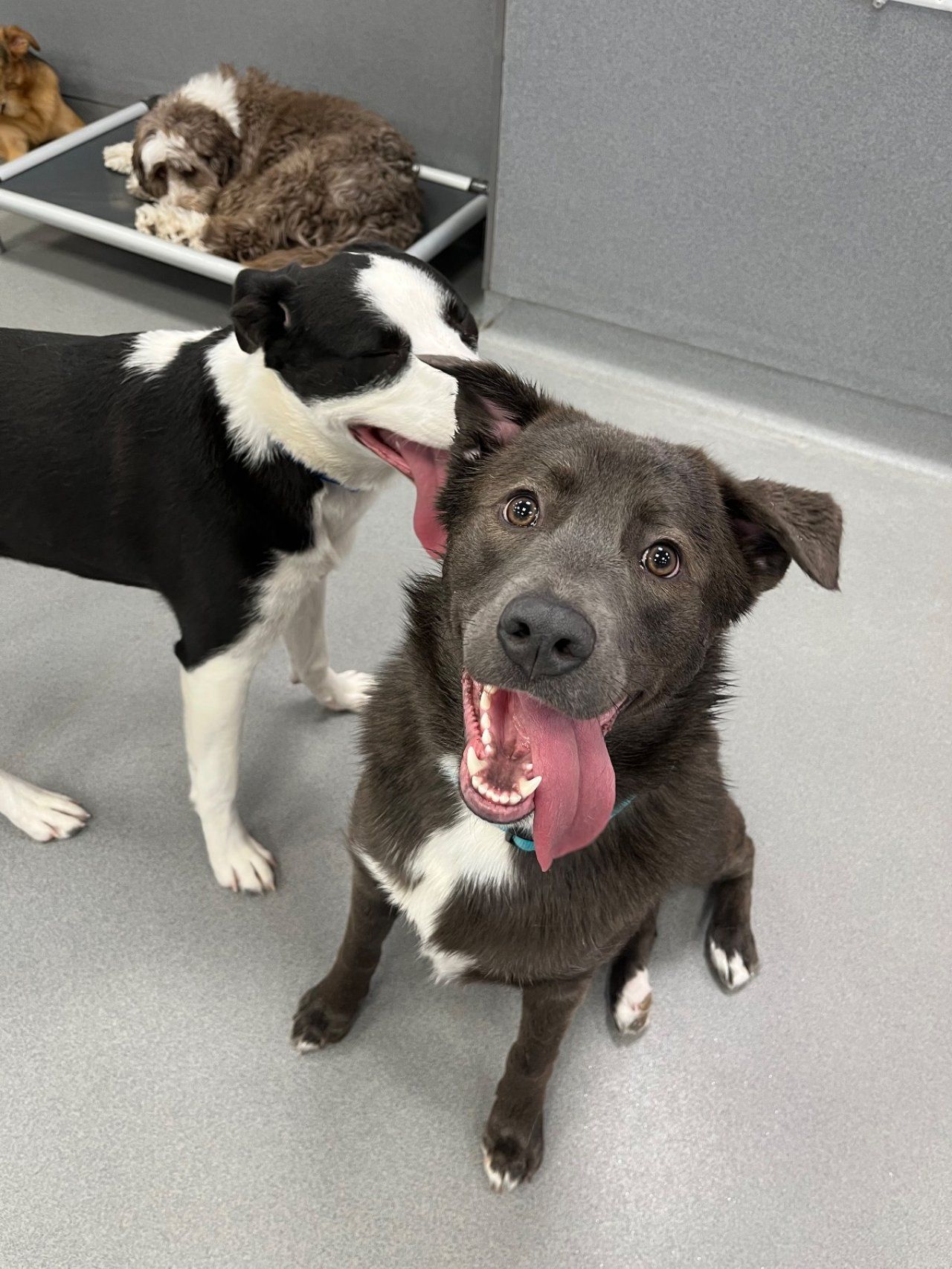
What to ask before choosing a dog boarding facility: a practical checklist for worried (and smart) dog parents.
Start with a short direct answer: Ask concrete, safety‑first questions about health, staffing, and emergency procedures, then move to lifestyle and fit (grouping, enrichment, rest). Use the checklist below during tours and phone calls to compare facilities side‑by‑side.
Facility tour checklist — essential questions to ask
- What are your vaccination requirements and verification process?
Ask which vaccines are required (rabies, DHPP, bordetella are common) and whether proof is stored digitally or needs to be shown at every visit. - How do you screen new dogs before they join group play?
Good facilities require temperament assessments, trial days, or meet‑and‑greets to confirm social compatibility. - How are dogs grouped during the day?
Confirm grouping is by size and temperament/energy level, not just by breed or first‑come order. - What is your staff-to-dog ratio and staff training?
Ask how many dogs each staff member supervises at peak times and what training staff receive (canine CPR/first aid, body‑language recognition, conflict de‑escalation). - Who is responsible overnight (if you also board) and what are shift handoffs like?
Even for day care, ask what happens when a dog needs to stay late unexpectedly and who will care for them. - What are your procedures for handling fights, bites, or injuries?
Request a clear walk‑through: staff response, separation protocol, documentation, and owner notification timeline. - Do you have on‑site veterinary support or a vet on call?
Find out whether there’s an on‑site vet tech, a nearby emergency clinic partnership, and how transport is arranged. - What first-aid supplies and medical policies do you have?
Confirm whether staff can administer medications, whether they charge for med administration, and how they record doses. - How do you monitor and manage illness outbreaks?
Ask about isolation procedures, communication policies, and whether the facility notifies other owners after exposure. - What is your cleaning, disinfecting, and pest control routine?
Cleanliness reduces disease risk. Ask what products are used and how frequently high‑touch areas are sanitized. - How is behavior managed? Positive reinforcement vs. punishment?
Facilities should favour positive reinforcement and time‑outs over aversive methods; ask for examples of how they handle overstimulation or resource guarding. - What is the daily schedule (play, rest, enrichment) and how much free play vs. structured activity?
Ensure there’s a midday rest period; continuous frenetic play can cause stress and escalation. - How do you handle dogs with special needs (medication, anxiety, senior dogs)?
Confirm staff experience, any additional fees, and whether you’ll receive written care notes. - What is your policy on personal items (beds, toys, treats)?
Ask what’s allowed, whether staff label items, and how losses/damages are handled. - Can you observe my dog during a trial day or sit in the play area for a few minutes?
A facility that allows observation demonstrates transparency and confidence in care standards. - What are your drop‑off and pick‑up procedures and hours?
Clarify late‑pickup fees, holiday closures, and holiday‑season scheduling practices. - What are your insurance and licensing credentials?
Ask whether the facility is licensed per local regulations and if they carry liability insurance for incidents. - How do you communicate with owners during the day? (photos, reports, emergency calls)
Some owners want hourly photos; others prefer only critical updates. Know what's included and what's extra. - What is your staff turnover like and how long has the manager been here?
Stable teams indicate consistent care and institutional knowledge; high turnover can mean inconsistent handling of dogs. - Can you provide references or reviews from local clients?
Ask for references, testimonials, or permission to speak with current clients; independent reviews on Google or Facebook are helpful too.
Quick comparison table (use this on your phone during visits)
- Vaccination checks: Yes / No
- Trial assessment required: Yes / No
- Staff:dog ratio: _
- Vet on call: Yes / No (Name & distance)
- Day schedule includes nap: Yes / No
- Positive reinforcement policy: Yes / No
- Allows owner observation: Yes / No
- Holiday/late pickup fees: _
Red flags (walk away or investigate further)
- No vaccination proof required or lax verification.
- Staff cannot explain how they prevent or handle fights.
- Facility smells strongly of urine or disinfectant masking odors.
- Dogs appear stressed, fearful, or consistently overcrowded.
- Staff use punishment (choke, prong, shock) or physical intimidation.
- No clear emergency plan or vet partnership.
Good signs (reasons to book a trial)
- Staff greet dogs calmly and can name regulars or describe individual needs.
- Separate play areas, clear rest zones, and visible enrichment equipment.
- Staff explain grouping logic and can show the intake/assessment form.
- Owners get transparent daily notes or photos and the venue welcomes observation.
A short final practical tip: bring a calm energy to drop‑off. A quick, confident handover reduces your dog’s separation stress and helps the staff get them settled faster.