
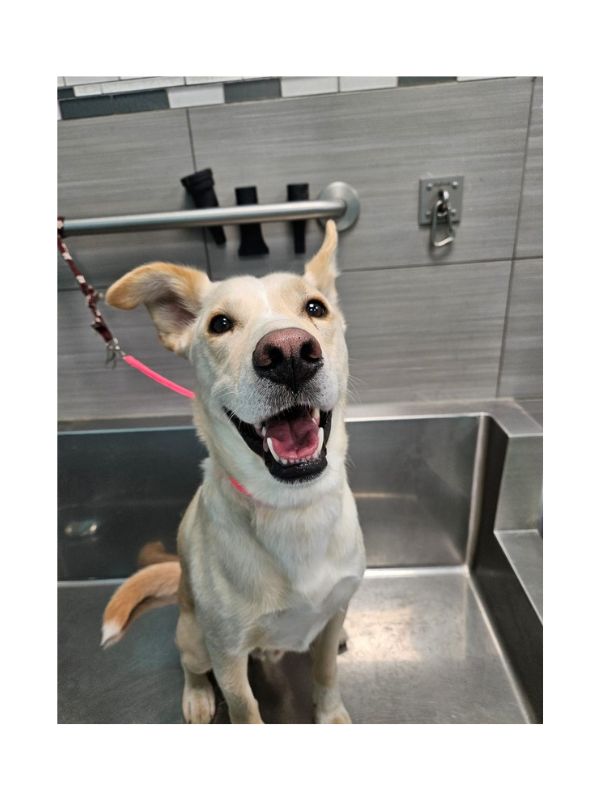
Many dogs find grooming stressful — new noises, unfamiliar handling, and being restrained can all trigger anxiety. The good news is that most grooming-related stress is manageable with preparation, gentle handling, and smart environment design. This guide explains why dogs get anxious at grooming and gives practical, step-by-step strategies to keep nervous pups calm and comfortable at Doghive or any trusted grooming facility.
Why some dogs fear grooming
- New sensations (blow dryers, clippers, water) feel intense and unpredictable.
- Restriction or restraint can trigger escape responses in dogs that dislike being held.
- Past negative experiences (painful nail trims, rough handling) create lasting fear.
- Sensory sensitivity: some dogs are more noise- or touch-sensitive by temperament.
- Lack of early, positive exposure to grooming means the process is unfamiliar and scary.
Understanding the root cause helps pick the right approach — whether it’s desensitization, environmental changes, or simply a slower pace.
Before the groom: preparation at home
- Short, positive handling sessions: Gently handle paws, ears, mouth, and coat for a minute or two daily with treats, so touch feels normal.
- Practice at-home basics: Briefly simulate elements of a groom (brushing, gentle towel rubs, brief nail touches) paired with high-value treats.
- Short desensitization to sound: Play low-volume recordings of dryer or clipper noise during play or feeding, gradually increasing volume across days.
- Exercise before the visit: A long walk or play session tires the dog and lowers baseline arousal, making them easier to settle.
- Choose an early appointment: Morning slots often mean your dog arrives fresh and less fatigued by a day of stimuli.
Intake and arrival: set the tone
- Keep drop-offs calm and efficient. Long, emotional goodbyes raise the dog’s stress level.
- Give staff a clear, written note of triggers, calming cues, and successful past strategies (e.g., “loves cheese,” “needs paw breaks”).
- Let nervous dogs sniff the area and meet one calm staff member first; avoid immediate full exposure to the busy grooming room.
During the groom: techniques that reduce anxiety
- Low-and-slow approach: Break the groom into short segments with purposeful breaks; praise and reward calm behaviour between steps.
- Positive reinforcement: Reward cooperative moments immediately with tiny treats, a calm voice, or a favorite toy to rebuild trust around the process.
- Gentle restraint and comfort positioning: Use minimal, non-restrictive holds; allow the dog to choose a comfortable stance when safe.
- Counterconditioning: Pair mildly aversive stimuli (clippers, nail trims) with high-value rewards so the dog learns a new emotional association.
- Predictable cues and countdowns: Use consistent verbal cues before a potentially stressful step (e.g., “one, two, brush”) so dogs learn what to expect.
- Quiet equipment and low-heat settings: Use quieter dryers, lower vibration clippers, and keep volume down to reduce sensory overload.
- Environmental calm: Soft lighting, low music or white noise, and non-slip surfaces help dogs feel secure.
- Familiar items: A blanket or shirt with the owner’s scent can be placed nearby to soothe during the groom.
Specialized supports for high-anxiety dogs
- Short “intro” sessions: Multiple 10–15 minute visits to get used to the environment before attempting a full groom.
- Two-person handling when needed: One handler minimizes movement while the other grooms, which can be gentler and faster.
- Medicated or calming shampoos: Use only under guidance for dogs with skin sensitivity or high arousal.
- Anxiety wraps and pheromone sprays: Thundershirt-style wraps or synthetic dog-appeasing pheromones can reduce stress for some dogs.
- Vet-approved anti-anxiety options: For extreme cases, consult a veterinarian about short-term anxiolytics or sedatives for grooming days. These should be prescribed and supervised by a vet and used only when non-pharmacological measures are insufficient.
Aftercare and learning from each visit
- Positive exit routine: End sessions on a success — a small treat, a gentle praise, and immediate calm exit so the dog leaves with a good memory.
- Record-keeping: Note how the dog responded to each step (nail trim, ear clean, dryer) so the next groom can be adapted.
- Gradual progression: Build up tolerance over multiple visits rather than forcing full sessions too soon.
- Owner reinforcement: Teach owners to praise calm behaviour at home after grooming and avoid over-excited greetings that reset the dog’s arousal to high levels.
Special considerations for seniors and medically sensitive dogs
- Shorter sessions and extra rest: Older dogs benefit from more frequent breaks and careful monitoring of fatigue.
- Low-impact drying: Use gentle towel and low-heat drying; avoid forcing strong dryers near arthritic joints.
- Health checks: Groomers should flag any unusual lumps, sores, or mobility changes and recommend vet follow-up.
Communication and expectations
- Transparency matters: Good groomers explain what will happen, how long it will take, and call if there are unexpected issues.
- Consent and escalation plan: For dogs who become highly stressed, a pre-agreed plan should exist: pause and reschedule, use alternative steps, or consult the owner.
- No-shame culture: Owners should be encouraged to ask questions and share their dog’s history — it leads to safer, kinder grooms.
Quick checklist for owners before a groom
- Short desensitization sessions at home (paws, ears, brush)
- Morning exercise to lower arousal before drop-off
- Bring a familiar-smelling item (shirt or blanket)
- Share written notes on triggers and calming strategies with staff
- Consider a trial or intro session if the dog is highly anxious
- Discuss vet-approved options if prior trauma or phobia exists
Grooming can be a positive experience even for nervous dogs when the approach is patient, humane, and tailored to the individual. With the right prep, thoughtful handling, and good communication between owner and groomer, most pups learn to tolerate — and sometimes even enjoy — their grooming visits.
Ready to Book?
Doghive offers full‑service grooming tailored to each dog's needs. Book online or call us to set up your pup’s first appointment — and feel free to ask for a tour of the grooming area if you’d like to see where the magic happens.